A Guide to Buying Police-Impound Trailers: What to Check Before You Bid
Buying a police-impound trailer can feel like stepping into a bargain hunter’s version of a salvage yard: promising, practical, and a little unpredictable. Some units are overlooked workhorses with years of service left, while others hide paperwork gaps, frame damage, or storage wear that turns a low bid into an expensive lesson. Knowing what to inspect before auction day helps you separate genuine value from mechanical guesswork and legal hassle.
Outline:
- How police-impound trailer sales work and why these trailers end up at auction
- Which documents, title records, and VIN details matter before you place a bid
- How to inspect a trailer’s structure, running gear, and critical components
- How to calculate the real cost of ownership and set a disciplined bidding limit
- Who benefits most from impound-trailer purchases and a final buyer-focused checklist
How Police-Impound Trailer Sales Work and Why They Attract Buyers
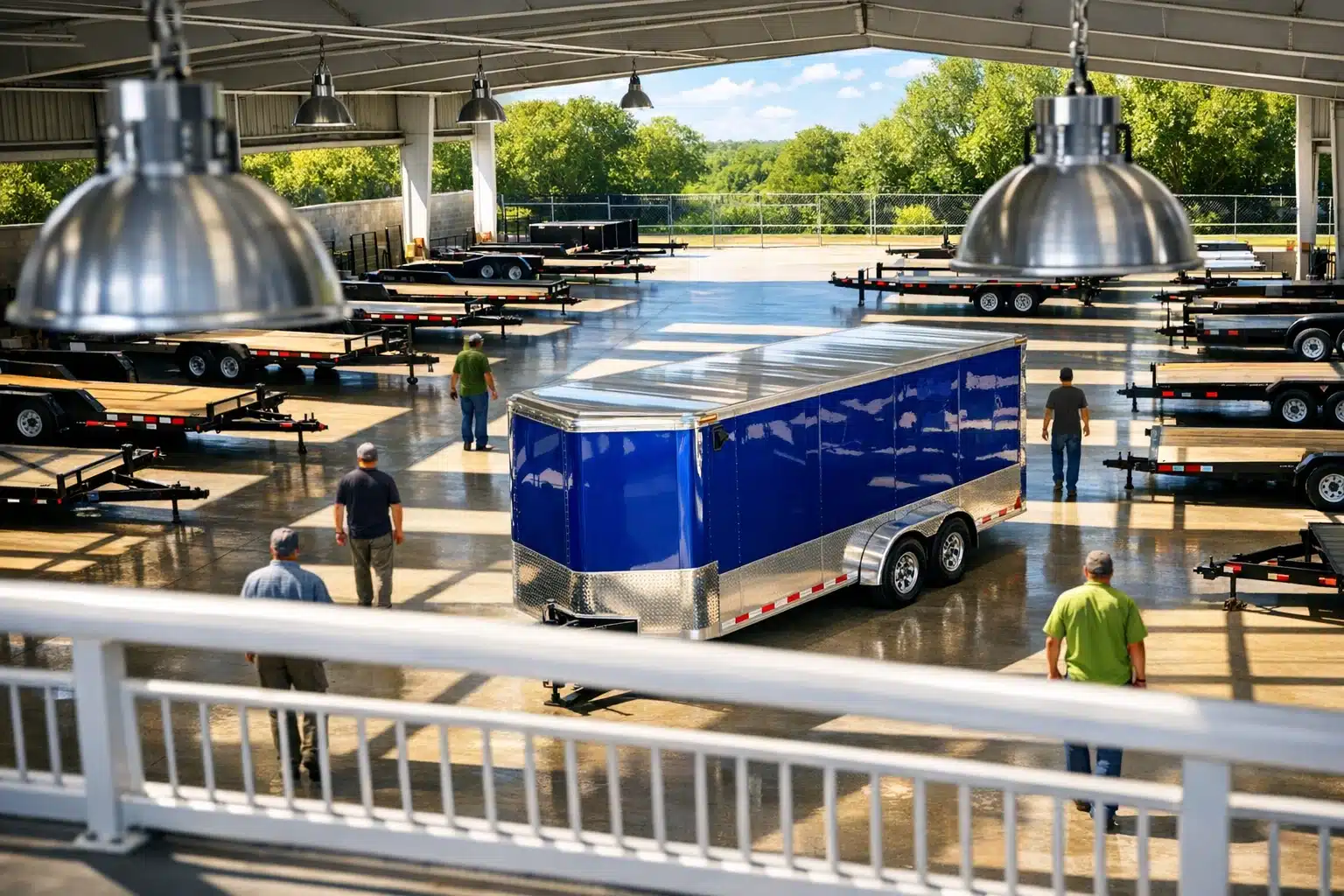
Police-impound trailers enter the market through a chain of events that is often less dramatic than people imagine. Many are not seized from cinematic car chases or major investigations. Instead, they may have been towed after being abandoned, left on private property, parked illegally, attached to unpaid violations, or stored for long periods without being reclaimed. Once legal holding periods expire and notice requirements are satisfied, municipalities, police departments, or contracted tow yards may sell the trailer through public auction. That process creates an opportunity for buyers who are comfortable with uncertainty and ready to do their homework.
What makes these sales attractive is simple: price. A trailer sold through impound channels may attract fewer casual shoppers than a polished listing on a retail marketplace. The presentation is usually minimal, the preview time can be short, and the sale is almost always conducted on an as-is, where-is basis. That combination can reduce bidding competition, especially when buyers are intimidated by paperwork or condition risk. For an experienced contractor, landscaper, hauler, or mechanic, that risk can look less like danger and more like discounted inventory.
It helps to compare police-impound trailers with two more familiar alternatives:
- A private-party trailer often comes with a longer conversation, a test tow, and at least some maintenance history.
- A dealer trailer usually costs more, but the transaction is cleaner and the equipment may be serviced or reconditioned.
- An impound trailer may cost less upfront, yet it rarely includes reassurance, repair records, or any promise that all systems work.
Not every impound trailer is a bargain, and not every rough-looking one is a bad purchase. Some units were simply neglected after a move, a business closure, or a dispute over fees. Others may have been parked outside for years, absorbing rain, sunlight, and corrosion one season at a time. That is why context matters. Ask where the auction is hosted, who holds the sale, whether a preview window is available, and what information is offered in advance. Even small details, such as whether keys, ramps, spare tires, or registration papers are included, can materially change the trailer’s value.
The smartest buyers walk into these auctions with the right mindset. They do not assume the police know the mechanical condition. They do not treat the listing photo as a guarantee. And they do not confuse a low opening bid with a low total cost. In that sense, an impound auction is less like shopping in a showroom and more like reading a weathered map: the destination may be excellent, but you still need to watch where you step.
Title, VIN, Liens, and the Paper Trail You Cannot Ignore
If condition tells you whether a trailer can roll, paperwork tells you whether you can legally own, register, and use it. This is where many first-time buyers make their most expensive mistake. A trailer with decent tires, a straight frame, and working lights can still become a headache if the title is missing, the VIN plate is unreadable, or a lien issue remains unresolved. Before you get carried away by auction adrenaline, spend time understanding the legal side of the purchase.
Start with the basics: does the trailer come with a title, a bill of sale, or both? Rules vary widely by state and by trailer weight class. In some places, lighter trailers may be registered without a traditional title, while heavier trailers often require one. Some auction sellers provide only a bill of sale and a release document, leaving the buyer to navigate title application, bonded title procedures, or VIN verification. None of those pathways is necessarily impossible, but they do take time, money, and patience.
The VIN deserves special attention. On a trailer, it may be stamped into the tongue, attached to a metal plate, or located in another manufacturer-designated area. The number on the frame should match any paperwork provided. If the VIN plate is missing, altered, or unreadable, treat that as a serious warning sign. It does not automatically mean the trailer is stolen, but it can complicate registration and resale. A cheap trailer that cannot be legally titled is often not cheap at all.
Before bidding, try to confirm:
- Whether the auction provides a clear title, salvage title, bill of sale, or lien paperwork
- Whether the VIN is visible and consistent across documents and frame markings
- Whether unpaid liens, storage claims, or ownership disputes are still attached
- Whether your local DMV requires inspections, bonded titles, or weight verification
- Whether there are deadlines for removing the trailer after purchase
It is also useful to compare clean-title and no-title situations. A clean-title trailer is typically easier to insure, register, and later resell. A no-title trailer may still work for a farm, ranch, or private property application, but its market value drops because future buyers inherit the same uncertainty. If your intended use involves highway travel, commercial work, or out-of-state registration, documentation matters even more.
One practical approach is to call your DMV before auction day rather than after winning. Tell them the type of trailer you are considering and ask what documents would be required in your state. That five-minute conversation can prevent a month of confusion. Trailers are utilitarian machines, but ownership is still a legal chain. If one link is missing, the whole purchase can rattle apart before it ever leaves the lot.
How to Inspect the Trailer: Frame, Axle, Floor, Tires, Brakes, and Hidden Trouble
Once the paperwork seems workable, the trailer itself needs a hard, unsentimental inspection. This is the moment to think like a mechanic, not a dreamer. Attractive paint can hide rust. Fresh wiring can disguise older neglect. A low deck height and sturdy rails may look promising, yet the axle could be bent or the coupler damaged. When preview time is short, a structured checklist is far better than a quick walk-around.
Begin with the frame and tongue, because structural issues are the most expensive and the least forgiving. Look for bent crossmembers, cracked welds, obvious repairs, kinks in the tongue, and signs that the trailer was jackknifed or overloaded. Surface rust is common and often manageable. Deep flaking corrosion around the main rails, spring hangers, or coupler area is a different story. Pay close attention to the coupler latch, safety chains, and trailer jack. These parts are not glamorous, but if they fail, the consequences can be serious.
Next, inspect the axle, suspension, hubs, and wheels. Uneven tire wear may point to alignment issues, worn bearings, or a bent axle. Tires with good tread are not automatically good tires; age matters too. Check the DOT date code if you can. A trailer that has sat for years may wear old rubber that looks acceptable until the first hot highway run. If the auction permits it, spin the wheels and listen for rough bearings. On braked trailers, inspect wiring, brake lines, backing plates, and any visible evidence of leaking components or disconnected hardware.
Move on to the usable surfaces and cargo areas. What you check depends on the trailer type:
- On utility trailers, inspect deck boards for rot, soft spots, or loose fasteners.
- On enclosed trailers, examine the roof seams, floor corners, ramp hinges, and door alignment.
- On equipment trailers, look closely at ramps, dovetails, tie-down points, and spring mounts.
- On boat or specialty trailers, verify bunk condition, winch operation, rollers, and corrosion on submerged components.
Electrical faults are common on impound trailers because storage, weather, and makeshift repairs take a toll. Test running lights, brake lights, and connectors if possible. If testing is not allowed, at least inspect for cut wires, brittle insulation, corroded plugs, and homemade splices wrapped in aging tape. Water intrusion is another quiet budget killer. Inside enclosed trailers, sniff for mildew and check for staining on walls or ceilings. A musty smell often tells a longer story than the photos do.
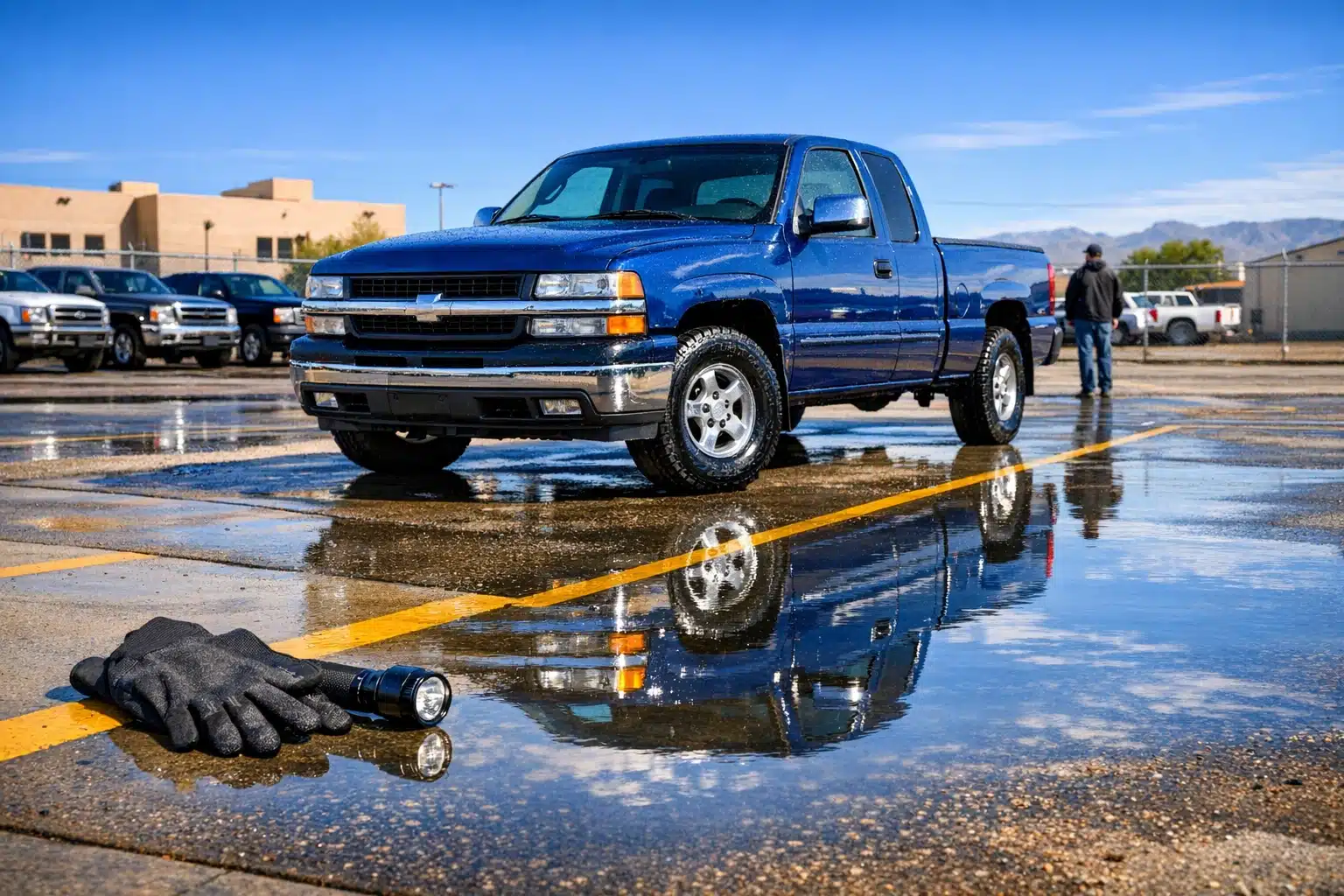
Bring basic tools if the auction rules allow them: a flashlight, work gloves, a tire gauge, a magnet, and a notepad. The goal is not to diagnose every flaw with laboratory precision. It is to sort minor repairable issues from structural or legal problems that can swallow your budget whole. A good impound purchase is rarely flawless, but it should be understandable. If the trailer feels like a mystery box on wheels, leave it for someone else.
The Real Cost of a Cheap Trailer: Fees, Repairs, Transport, and Bidding Strategy
The hammer price is the number that gets attention, but it is not the number that determines value. Police-impound trailers can look inexpensive on the auction screen and still become costly by the time they are legal, safe, and ready for work. That is why disciplined buyers build their budget backward. They start with the maximum total they are willing to spend, then subtract fees, repairs, transport, and registration costs before deciding how high to bid.
Begin by identifying all transaction expenses. Depending on the auction and location, you may encounter a buyer’s premium, sales tax, title fees, documentation charges, gate fees, storage fees, or removal deadlines that can trigger additional daily costs. If the trailer is not roadworthy, add transportation immediately. Hiring a rollback, using a flatbed, or towing it with temporary repairs changes the economics very quickly. A trailer that cannot safely make it home may cost more to move than expected.
Repairs should be estimated in layers rather than as one vague number. Ask yourself what is required for basic legality, what is needed for dependable use, and what is merely cosmetic. That framework helps prevent wishful thinking.
- Basic legality may include lights, reflectors, safety chains, license mounting, and registration paperwork.
- Dependable use may require tires, wheel bearings, brakes, wiring repairs, deck boards, or a new coupler.
- Cosmetic work might include paint, decals, side panels, fenders, or interior finishing in an enclosed unit.
Consider a simple example. A trailer wins at $1,200, but the buyer also pays an auction premium, taxes, title processing, two new tires, hub service, wiring repair, and a hired tow because the current tires are dry-rotted. Suddenly the “great deal” may land much closer to the price of a cleaner private-sale trailer that could have been used the same week. This does not mean impound auctions are poor choices. It means the savings must be measured after the dust settles, not when the bidding ends.
A smart bidding strategy includes a firm ceiling and a willingness to stop. Write your maximum bid down before the auction starts. If you are shopping online, remember that fast clicking can blur judgment. If you are standing in a yard with other bidders, resist the strange little ego contest that sometimes appears when two people decide they simply must win. The best auction buyers are not the most emotional people in the crowd; they are the calm ones with pencils, checklists, and no fear of walking away.
One more comparison helps. If you need a trailer tomorrow for paying work, buying from impound may be a poor fit unless the unit is clearly road-ready. If you have time, tools, and storage space, the equation changes. A mechanically aware buyer can create value by handling repairs that would otherwise make the trailer unattractive to others. In auctions, knowledge is not just helpful; it is often the entire profit margin.
Conclusion for Buyers: Who Should Consider an Impound Trailer and What to Remember Before Bidding
Police-impound trailers are best approached as practical projects, not magic shortcuts. For the right buyer, they can be a sensible way to acquire useful equipment below typical market pricing. For the wrong buyer, they can become a rolling list of repairs, paperwork delays, and unexpected costs. The difference usually comes down to goals, skill level, and patience.
If you are a contractor, landscaper, farmer, equipment operator, mechanic, or experienced DIY owner, an impound trailer may fit your world well. You probably know how to inspect structural components, assess tire and brake condition, and estimate the price of bringing a trailer back into service. You may also have access to tools, parts, and storage, which makes rough-but-salvageable units more appealing. In that setting, a plain trailer with faded paint and fixable faults can be a genuinely useful purchase.
On the other hand, if you are a first-time trailer buyer who needs immediate reliability for business, travel, or family use, caution is warranted. An auction listing rarely gives you the same confidence as a documented private-party sale or a dealer transaction. If you are uncomfortable reading title documents, checking VIN locations, evaluating axle wear, or transporting a non-roadworthy trailer, your margin for error is smaller. Paying more upfront for a cleaner trailer can sometimes be the more economical decision over the full life of ownership.
Before you bid, keep this final buyer-focused checklist in mind:
- Verify what ownership paperwork is included and confirm local registration rules before auction day.
- Inspect the frame, tongue, axle, floor, lights, tires, coupler, and braking components with a methodical eye.
- Budget for fees, transport, repairs, and downtime instead of focusing only on the winning bid.
- Set a firm maximum price and treat walking away as a success, not a failure.
- Match the trailer to your real use case, whether that is hauling mowers, moving equipment, transporting materials, or rebuilding for resale.
In the end, the best impound-trailer purchase is not necessarily the cheapest trailer in the yard. It is the one whose condition, paperwork, and total cost make sense for the work you need it to do. Auctions reward preparation far more than optimism. If you inspect carefully, ask the right questions, and bid with discipline, you give yourself the best chance of bringing home a trailer that earns its keep instead of draining your budget.